Logic. Flow.
Dominance.
Uplixo's engine design focuses on the friction between risk-reward cycles and environment-driven instability. We don't just build rules; we engineer ecosystem dynamics that challenge latent decision-making under pressure.

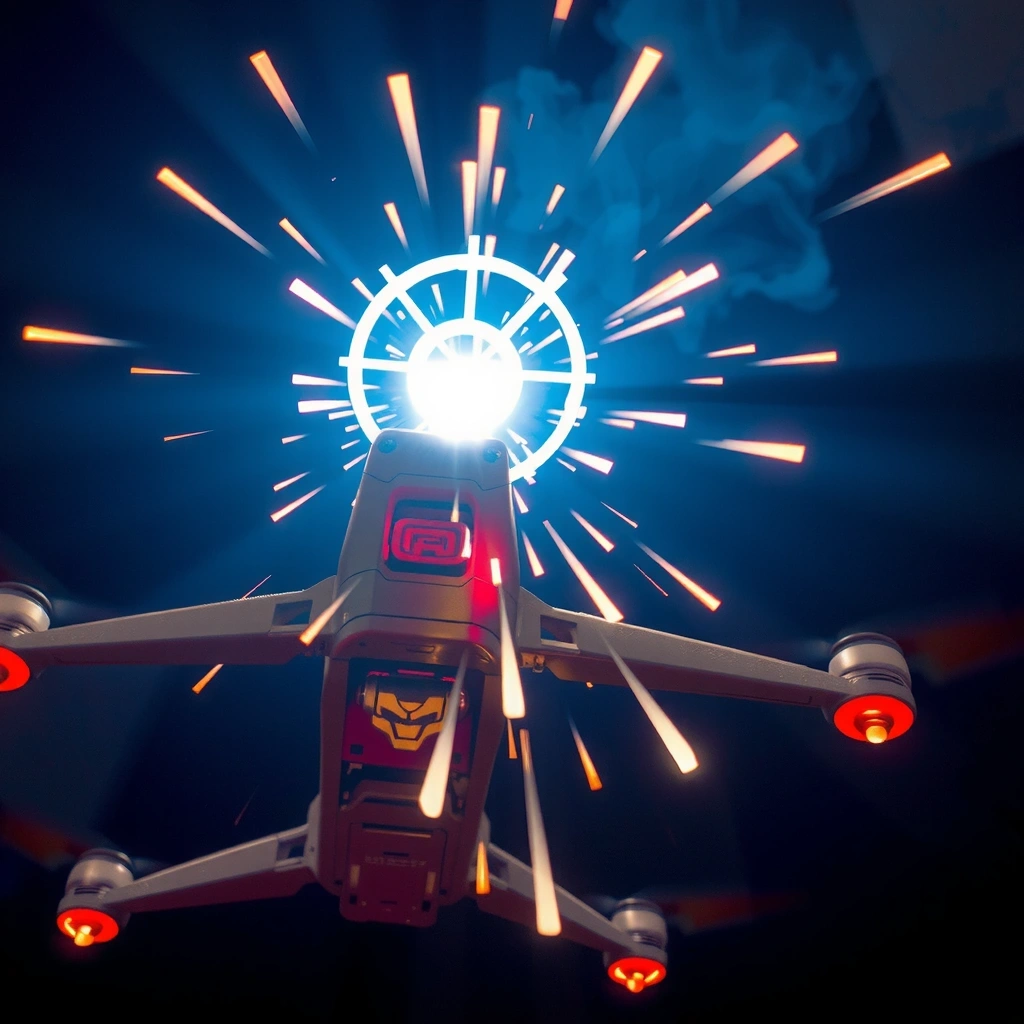
Component Analysis
Model: UX-01 Core Stability Optimizer
The Volatility Loop
The core pulse of Uplixo apps is built around Node Stability. Unlike static resource pools found in standard gaming architectures, our resource nodes degrade over time. This forces teams to constantly evaluate the longevity of their current position against the potential bounty of a high-risk relocation.
A single node is not just a source of material; it is a tactical anchor. As stability drops, the node emits "Static Noise," a mechanic that interferes with local player UI and radar telemetry. This creates a natural tension: do you harvest the remaining 10% while functionally blind to incoming threats, or do you abandon the yield for a secure extraction?

Scenario: The 4:00 AM Blackout
"During a high-stakes tournament rehearsal, a Tier-3 squad attempted to hold a Prime Node at 4% stability. The resulting 'Static Pulse' disabled their communications for 12 seconds. In that window, a flanking unit used the environmental interference to close a 50-meter gap undetected. The consequence? A complete loss of node yield and squad wipe."
Conclusion: Greed over technical telemetry remains the primary cause of squad failures.
Decision Lens: Mobility
- Criteria Resource Proximity vs. Radar Exposure
- Optimizes for Immediate Stat Scaling
- Sacrifices Environmental Awareness
The Sub-System Architecture
A granular breakdown of the logic layers governing gameplay interaction.
Overcharge State
Temporarily boost mechanical throughput by 40% at the cost of emitting high-frequency AI-attracting signals.
Echo System
Access ghost data of previous sessions within the current map geometry to identify player movement heatmaps.
Dynamic Weather
Atmospheric events that modify global physics: rain increases sliding speed while fog halves spotting range.
Internal Sabotage
Infiltrator units can compromise structures from within, forcing manual bypass repairs to maintain defensive integrity.
Trade-off Framework
Benefit: Ultra FPS
Locked 144Hz performance on mobile devices via dynamic shader pruning.
Benefit: Real-time Raytracing
Full spectral reflections for competitive environmental reads.
Benefit: Zero Latency Netcode
Predictive client-side logic for frame-perfect interaction.
System Verification Required for Additional Modules
# Inquisitor Protocols
How does the engine mitigate thermal throttling?
We utilize a proprietary "Heat-Step" frequency scaler that reduces secondary post-processing effects before touching critical CPU cycles, maintaining steady frame timing even under load.
Is cross-platform parity maintained in high-latency zones?
Yes. Our rollback architecture ensures that mobile and console players remain within a ±5ms synchronization window, regardless of device-specific rendering speeds.
What is the minimum OS requirement for the full mechanics suite?
To support the complex physics of the Dynamic Weather system, we require Android 13 or iOS 16 as the base operational standard.
How do hidden lore fragments impact mechanical efficiency?
Exploration rewards non-combat fragments that unlock structural bypasses, effectively trading pure combat time for permanent environmental shortcuts.


Ready to Interface?
The mechanics outlined above are currently in live deployment for our Alpha testing cohorts. If you are an optimization engineer or a competitive reviewer, our technical documentation is open for scrutiny.